




Fillings, Inlays and Onlays
There are two types of white fillings, Ceramic or Composite.
The filling material is chosen depending upon the size of the cavity that exists after removing the decay, old fillings or any cracks in the teeth.
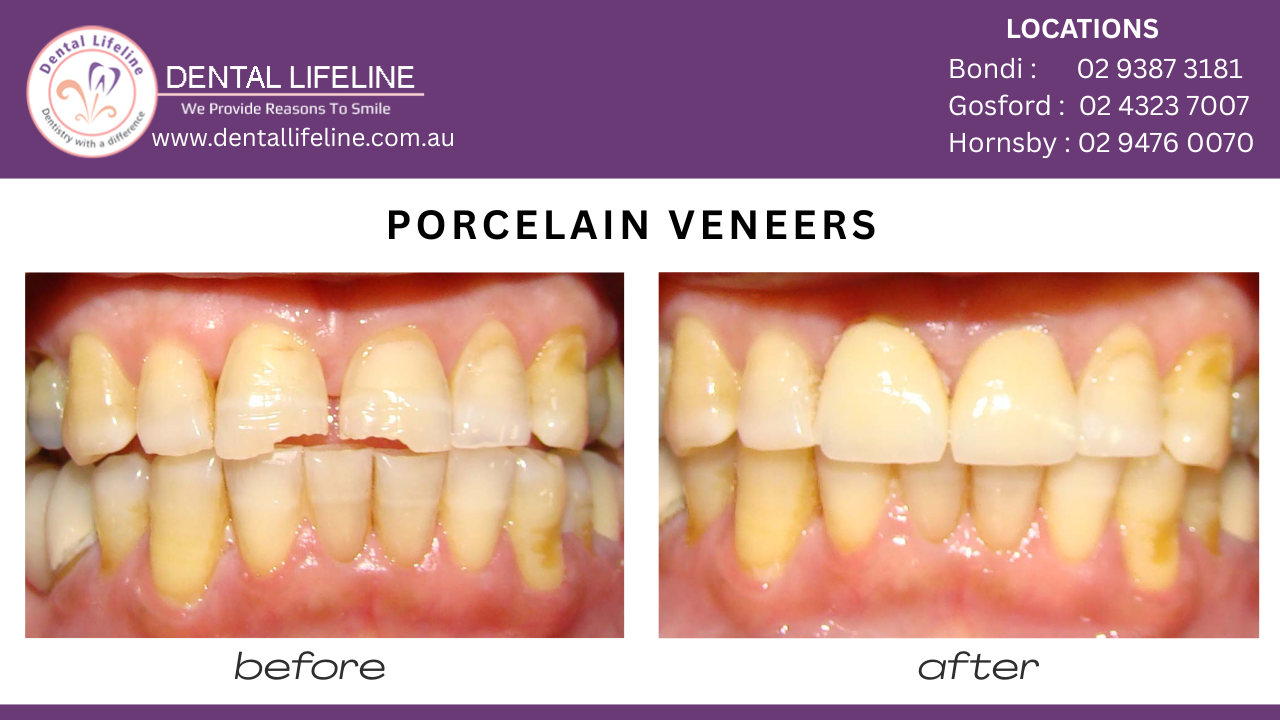
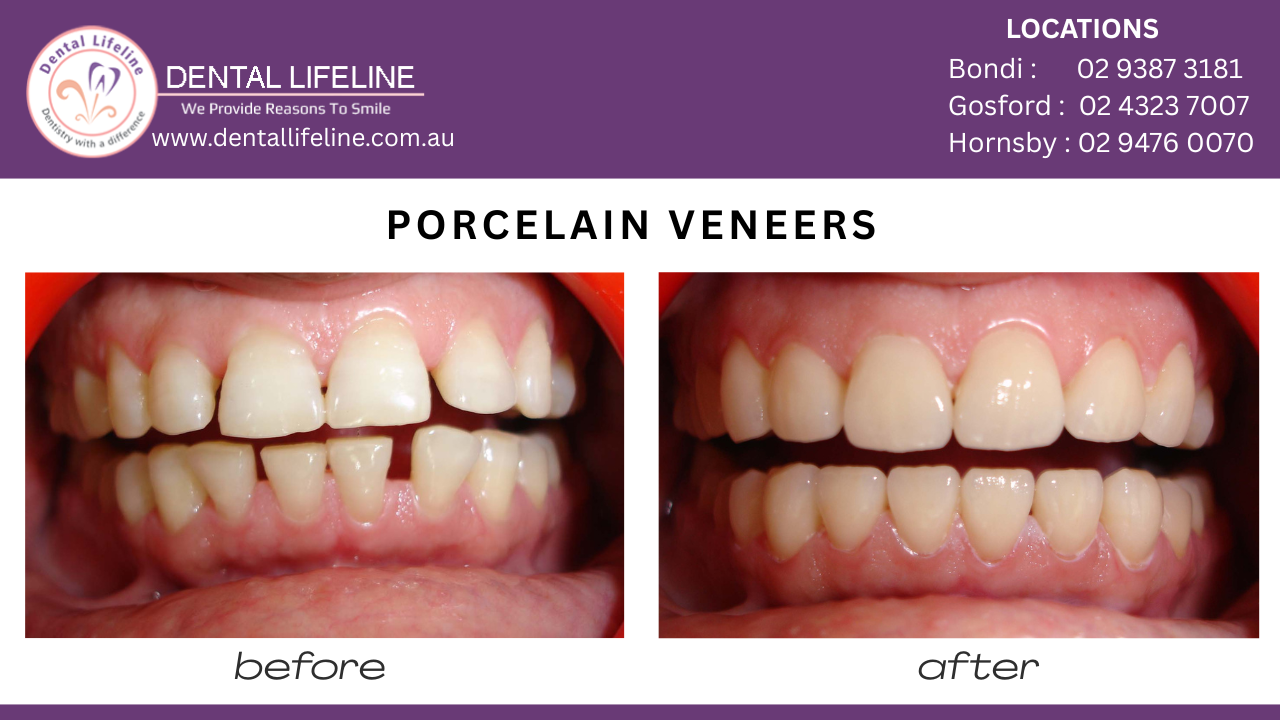
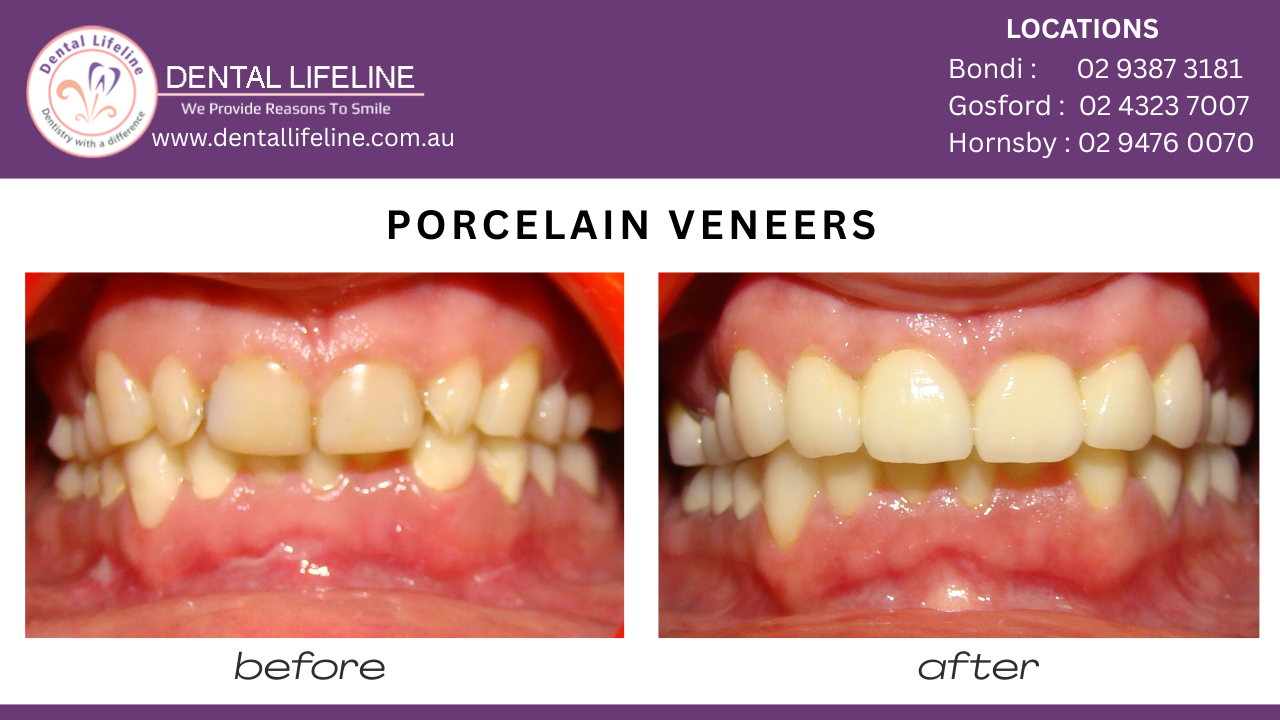
Ceramic Inlays or Onlays (porcelain)
These restorations are used when the size of cavity is big and the remaining tooth requires more strength to prevent fractures. They are much stronger than the composite restorations. An inlay covers only one to three surfaces of the tooth and is used to restore a small amount of tooth.
An onlay actually covers one or more cusps (the chewing surface of the tooth). Inlays and onlays are an excellent way to help solve a problem caused by moderate decay. Some of the indications of ceramic/ porcelain inalys and onlays are :
- Desire to limit the amount of healthy tooth structure removed
- Any level of decay on a portion of any tooth
- Need for a long-term, durable restoration
- Need to strengthen and reinforce a tooth
Composite Fillings
These are generally done when the size of the cavity is not too big and good contacts can be achieved without porcelain fillings. Composite fillings can last a very long time.
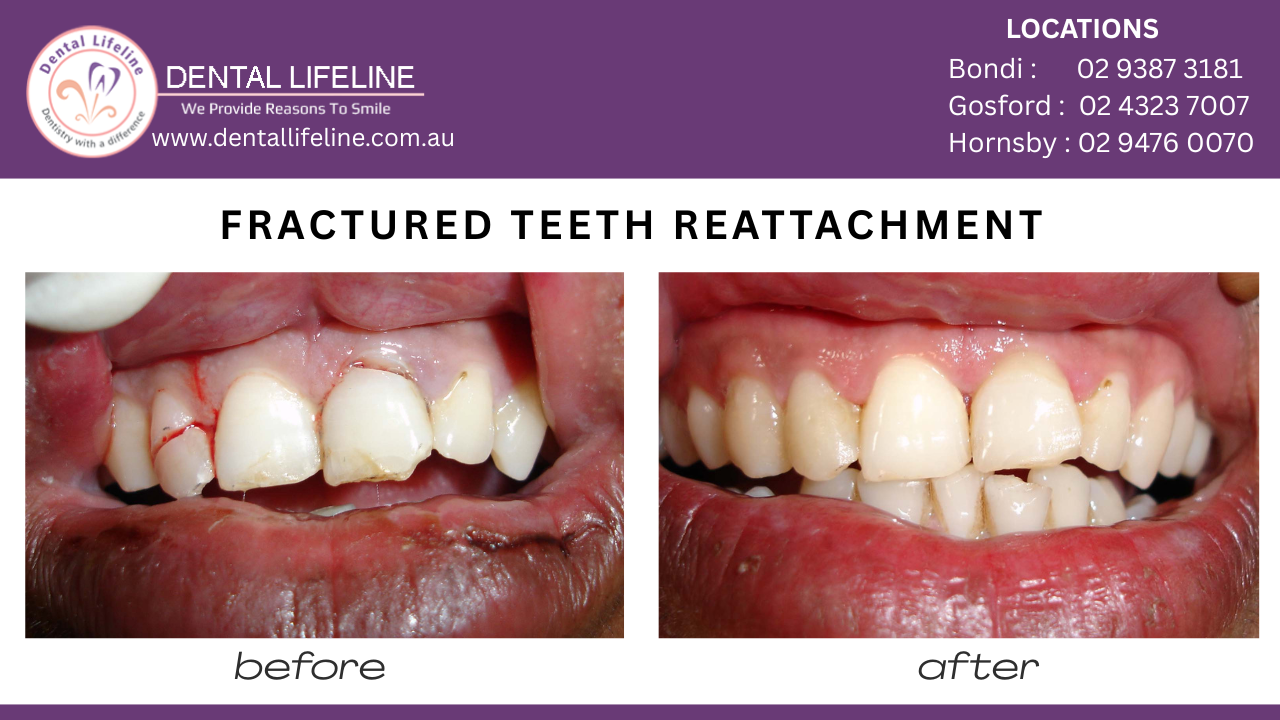
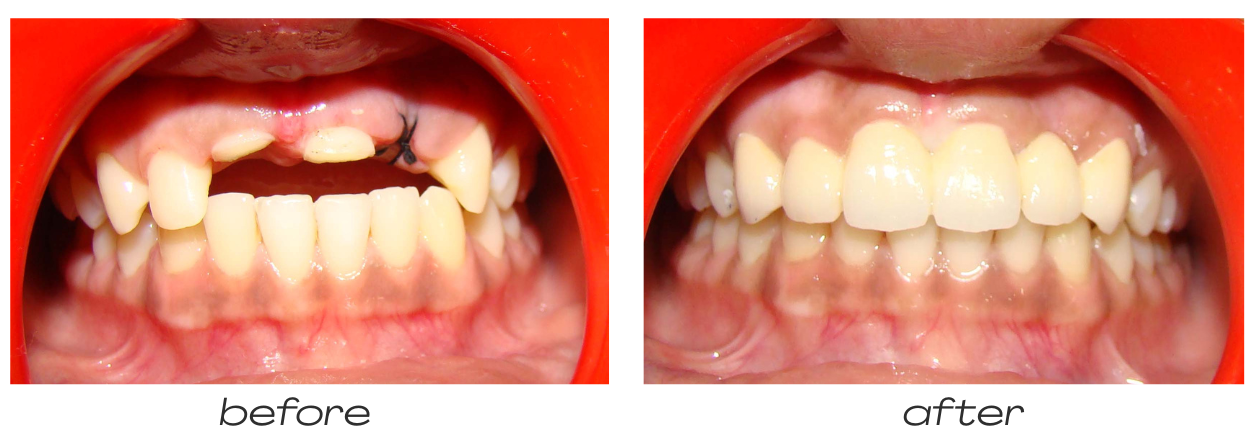
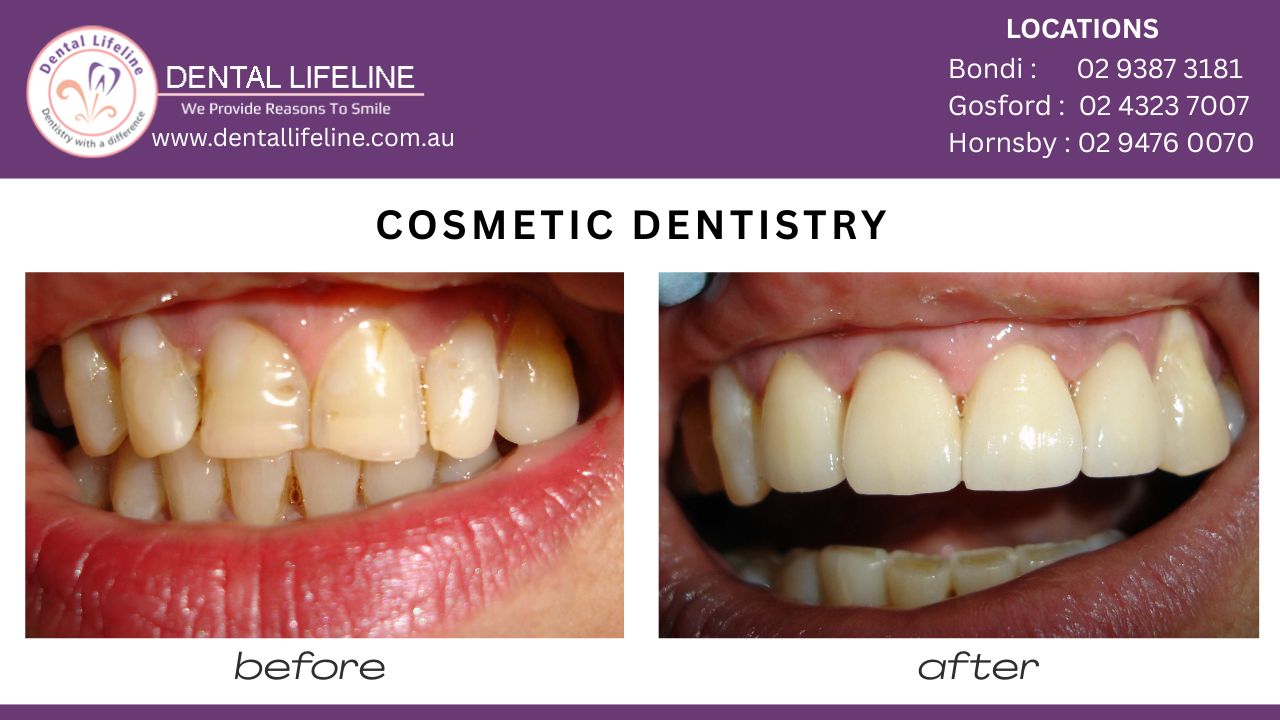
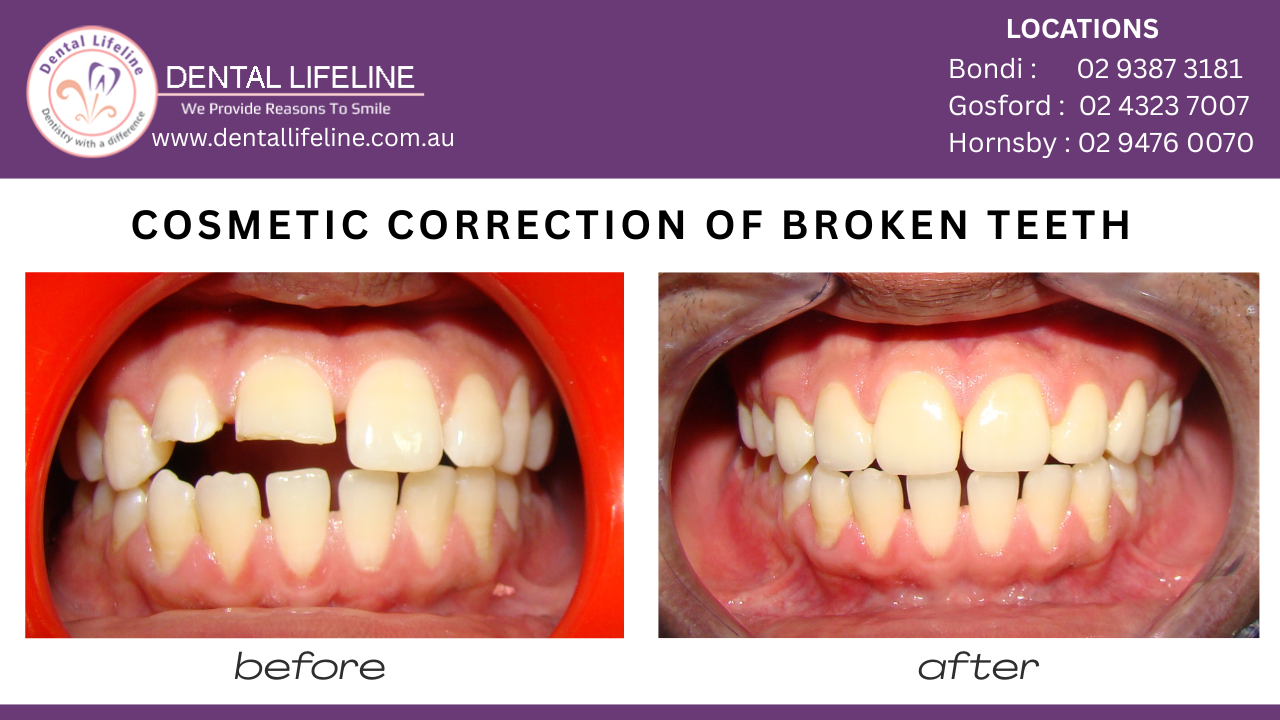
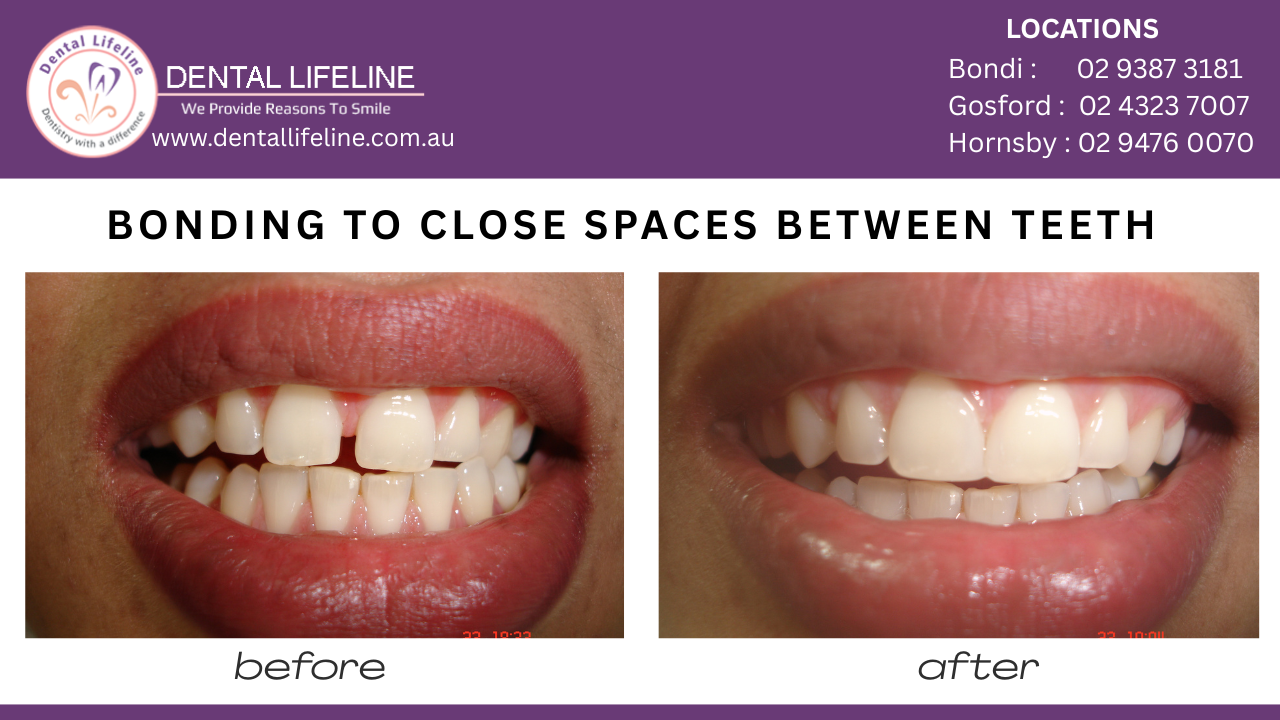
Composites are not only used to restore decayed areas, but are also used for cosmetic improvements of the smile by changing the colour of the teeth or reshaping disfigured teeth.
Advantages of Composite Resin Filling
Aesthetics are the main advantage, since dentists can blend shades to create a colour nearly identical to that of the actual tooth.
Composites bond to the tooth to support the remaining tooth structure, which helps to prevent breakage and insulate the tooth from excessive temperature changes.
Disadvantages of composite resin filling
After receiving a composite filling, a patient may experience mild post-operative sensitivity.
Also, the shade of the composites can change slightly or discolour overtime due to wear and staining from food and drinks.
Frequently Asked Questions
Do I need a filling, an inlay, or an onlay?
It depends on how much of the tooth is damaged. A simple filling works well for small cavities. If the damage is larger, your dentist may recommend an inlay or onlay to give the tooth extra strength and protection while saving as much natural tooth as possible.
Is getting an inlay or onlay painful?
Most patients find the procedure very comfortable. The area is numbed before treatment, so you shouldn’t feel pain during the procedure. You may notice mild sensitivity afterward, but it usually settles quickly.
How long will my filling, inlay, or onlay last?
With good brushing, flossing, and regular dental visits, these restorations can last for many years. Inlays and onlays are especially known for being durable and long-lasting compared to standard fillings.