


Porcelain & Composite Veneers
Creating a beautiful smile you want through science and artistry.
What are veneers?
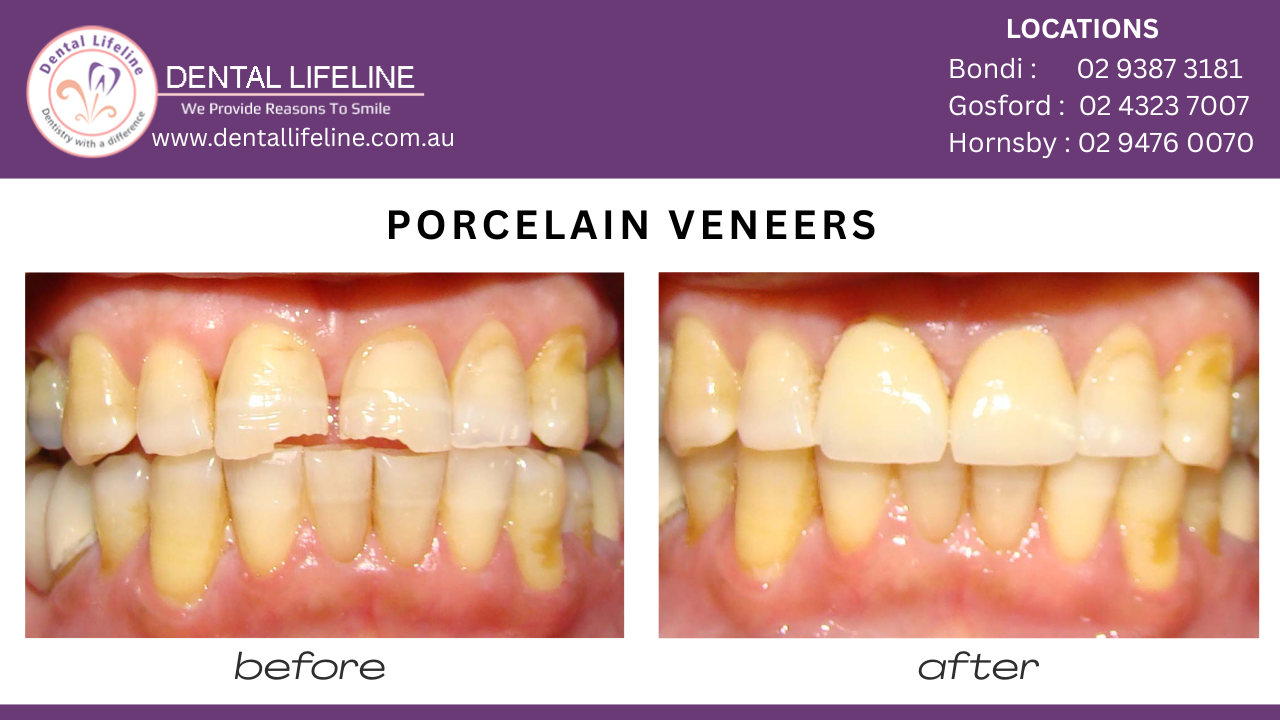
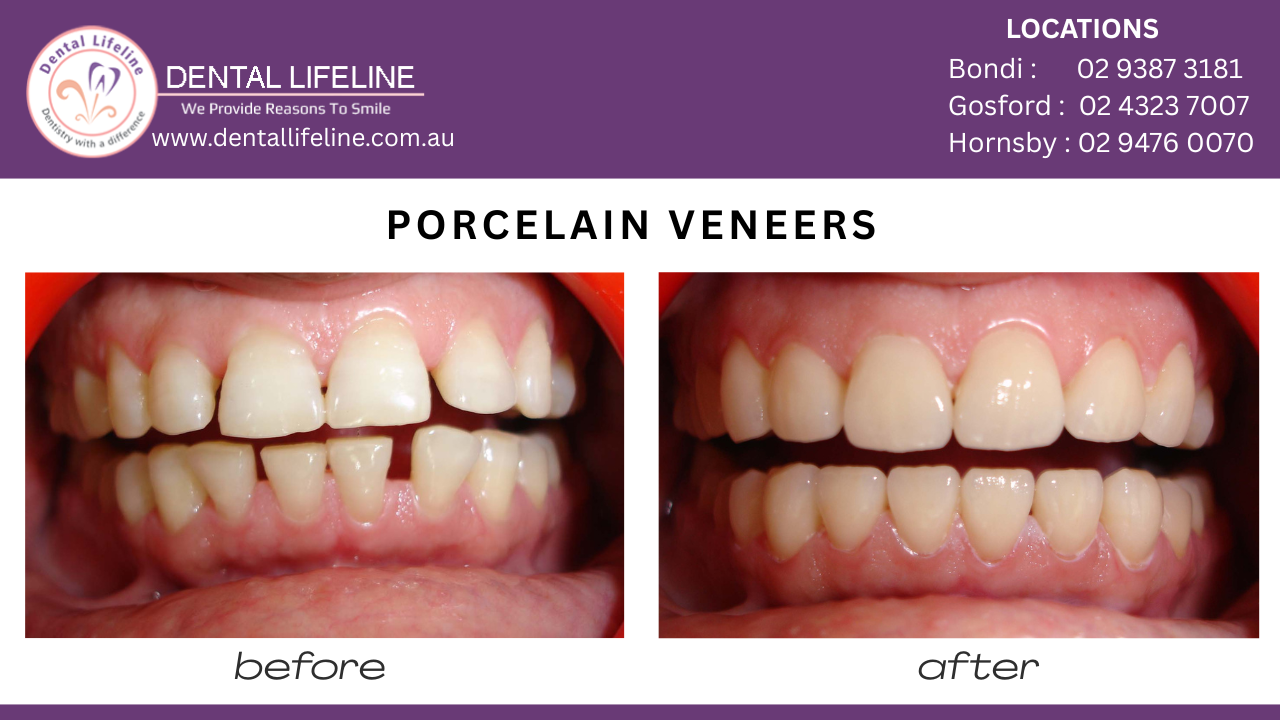
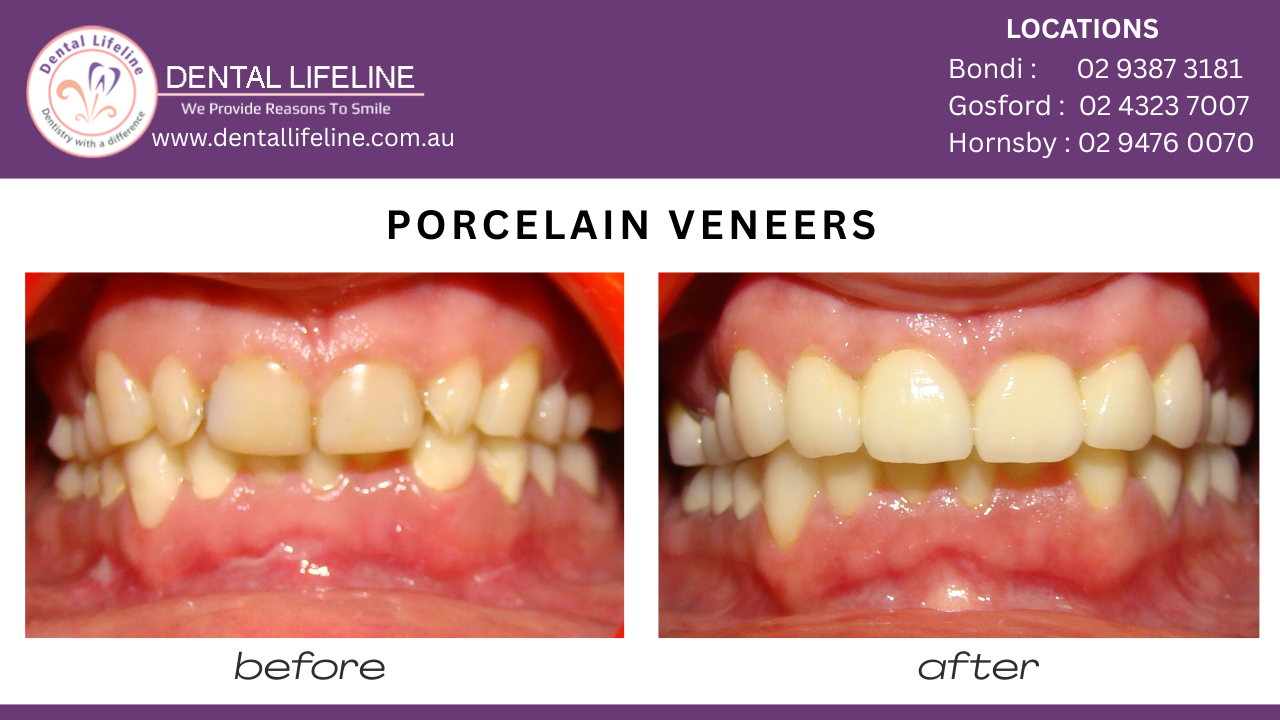
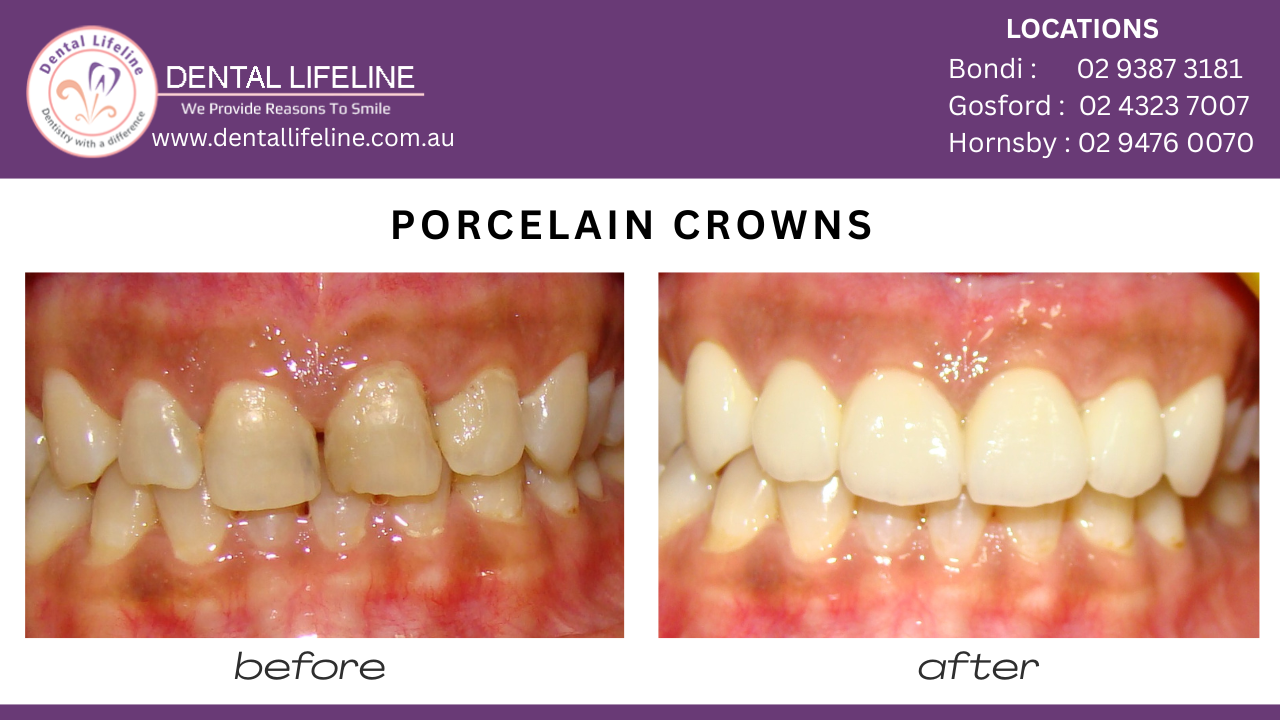
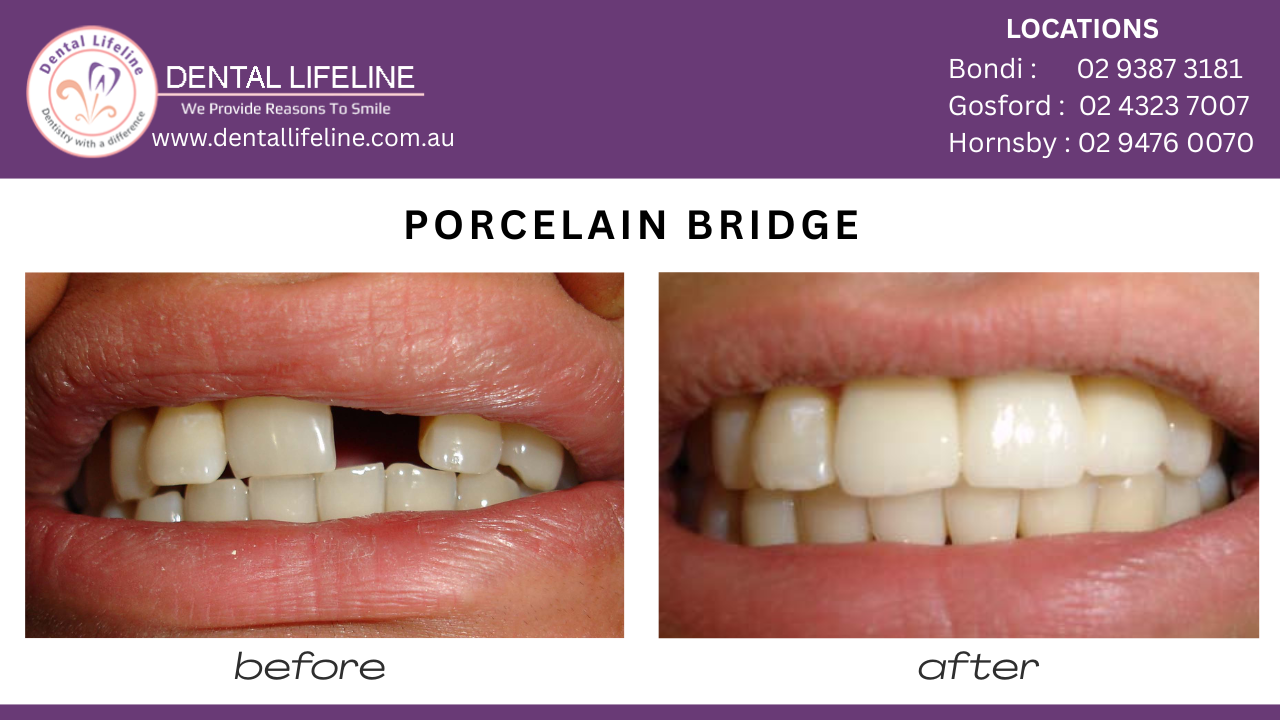
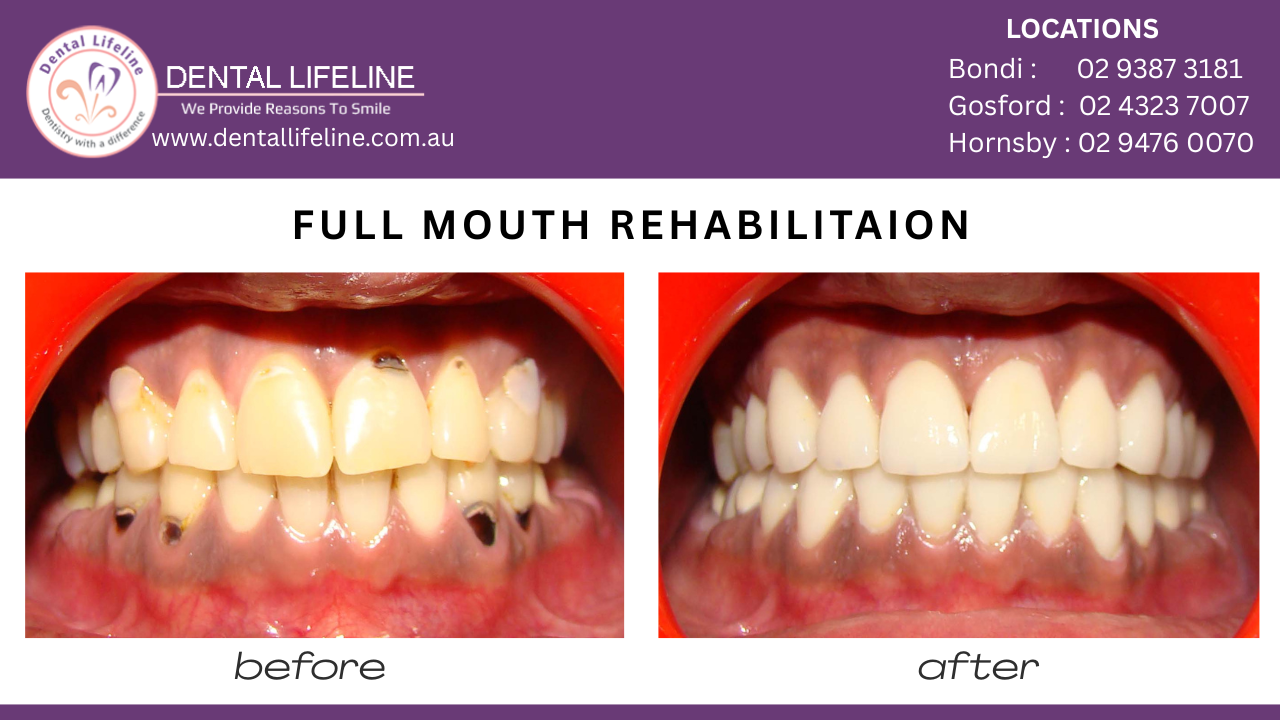
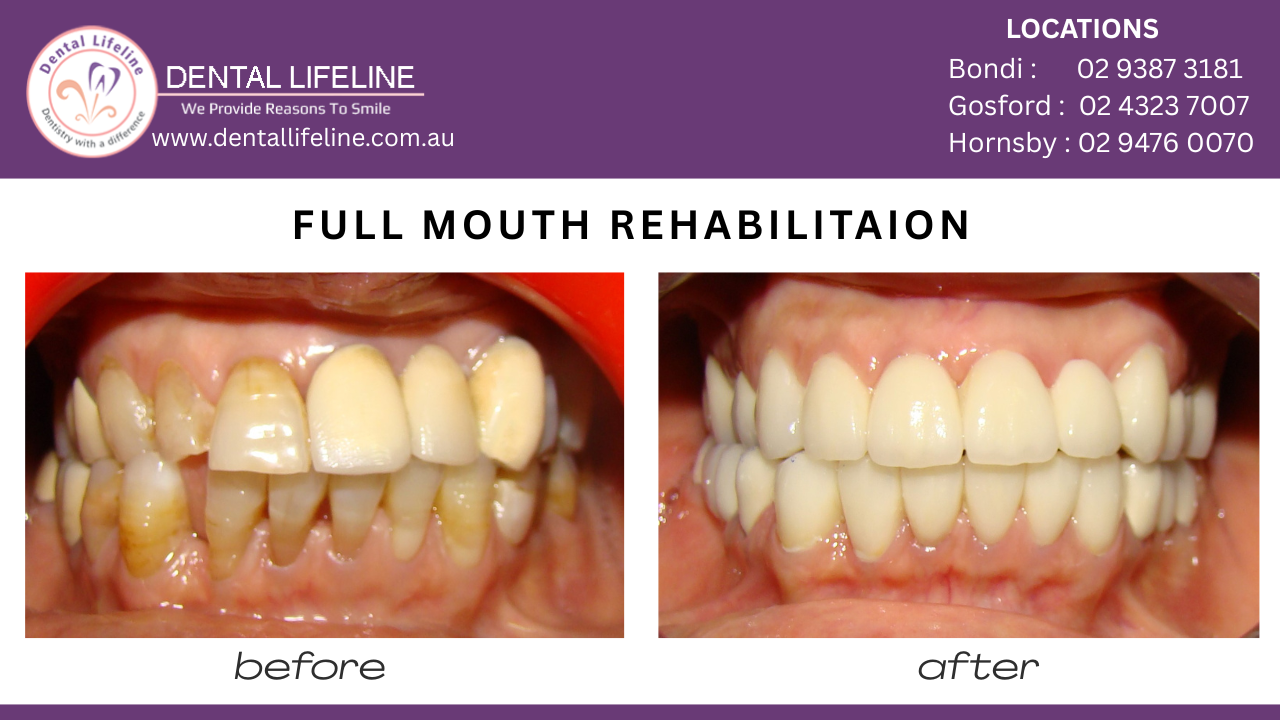
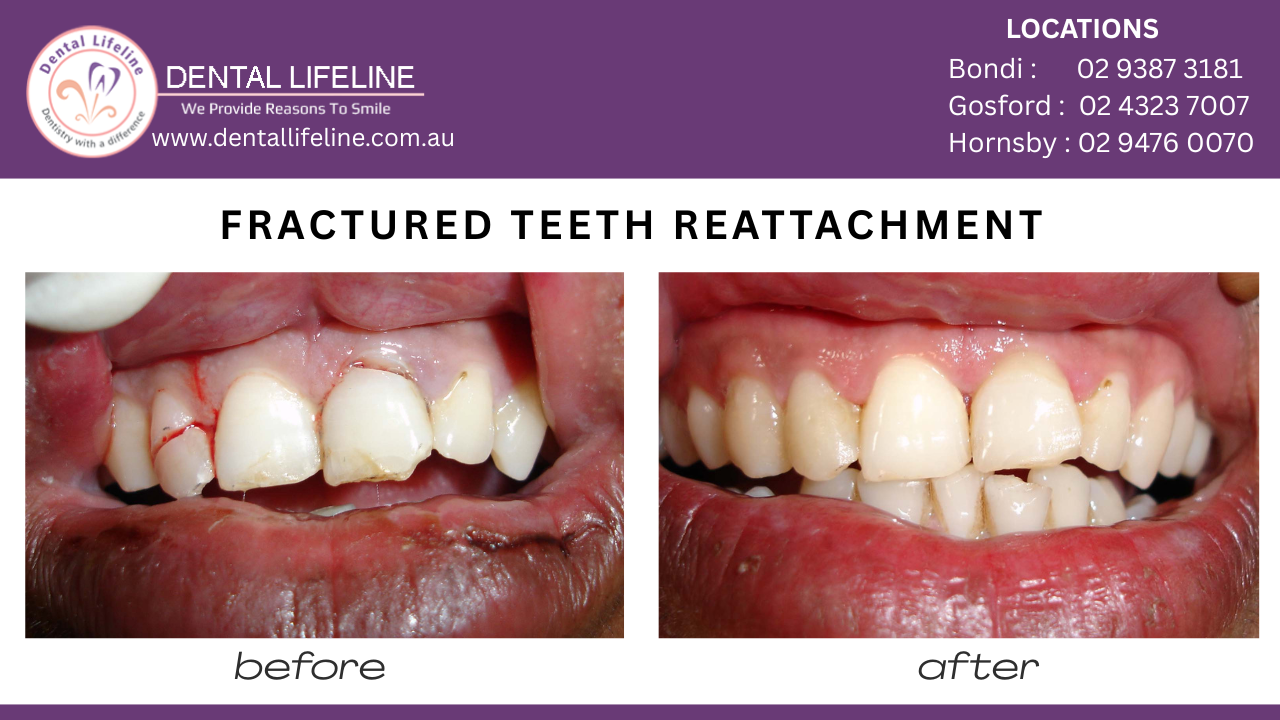
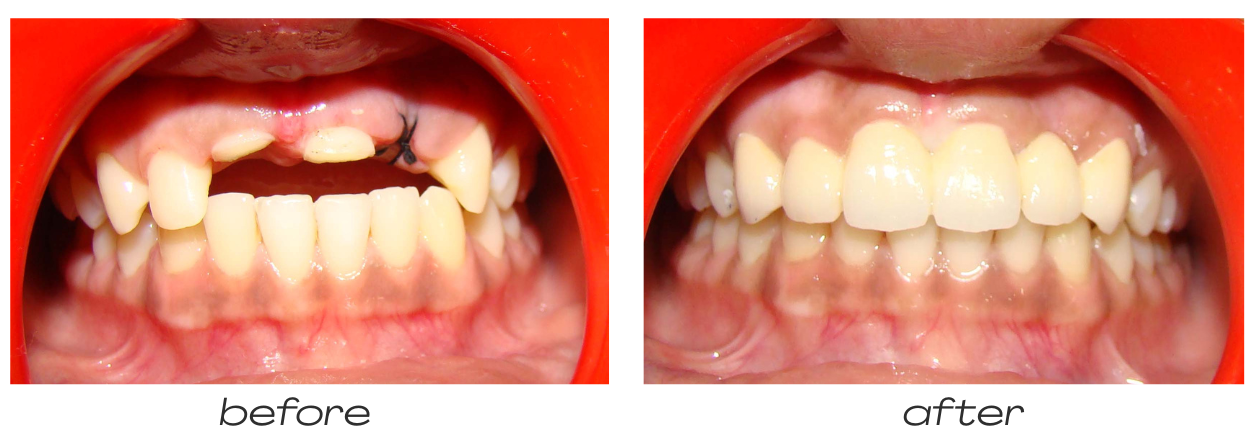
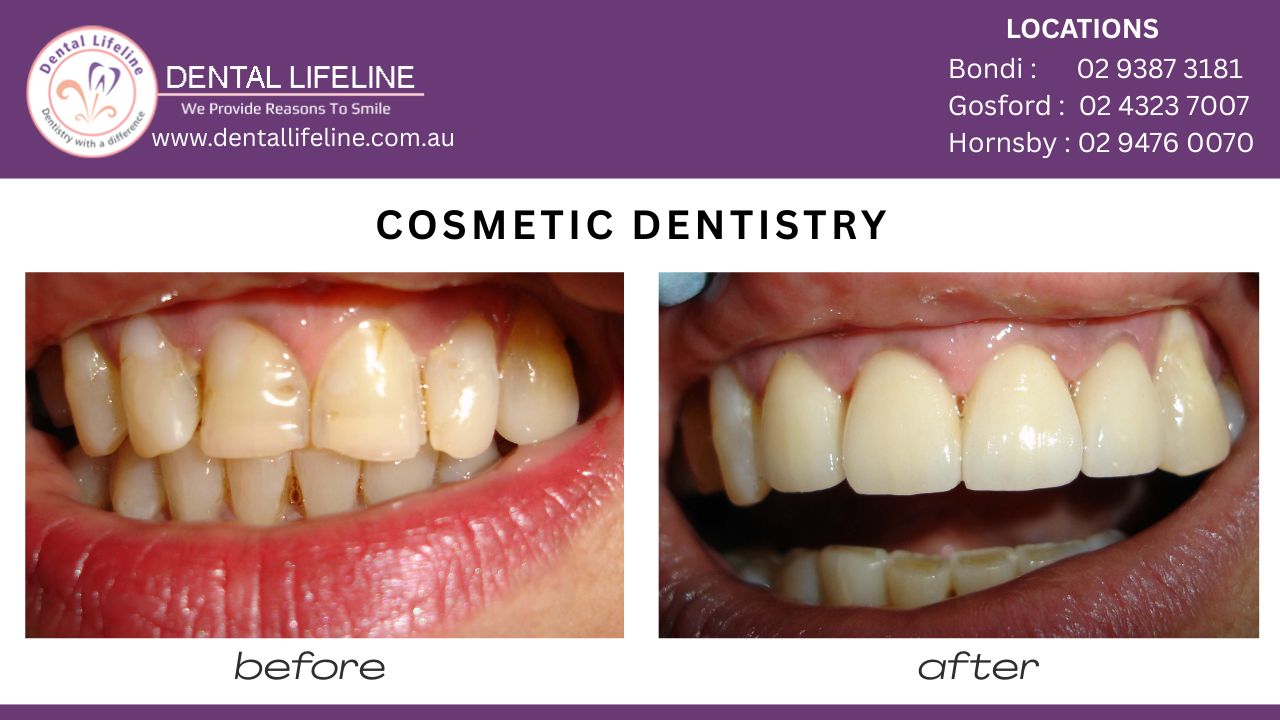
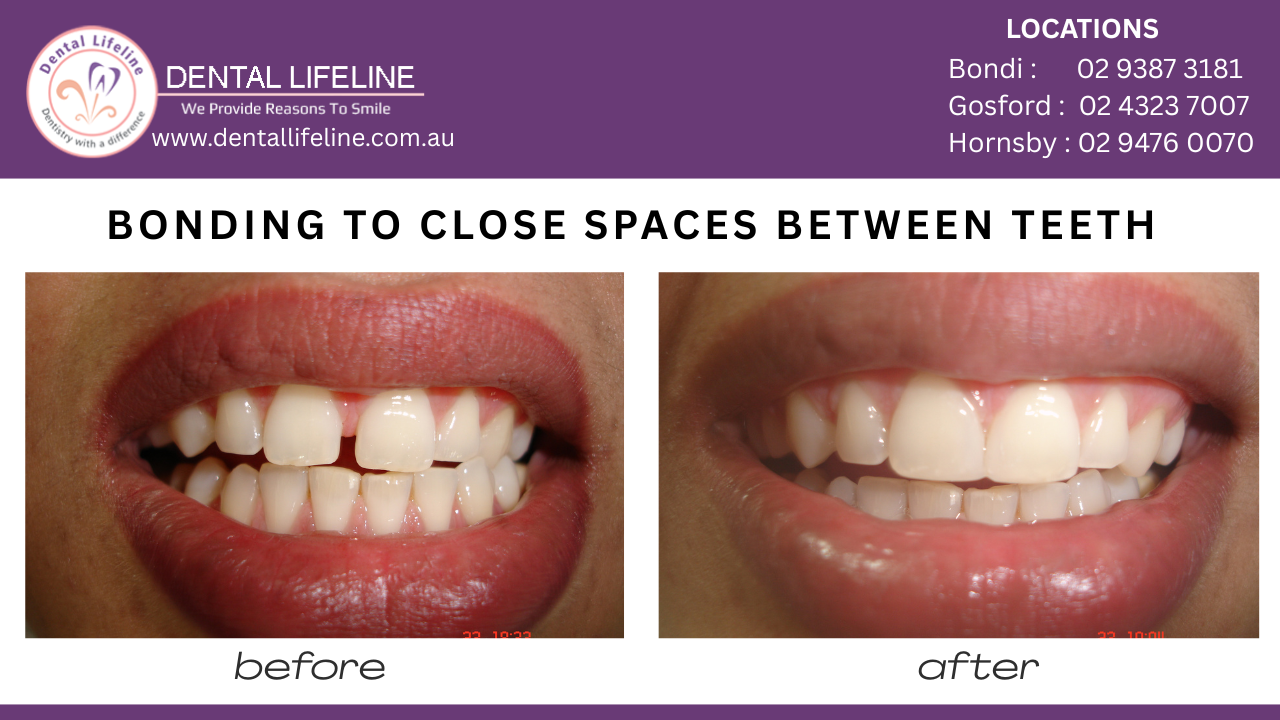
A veneer is thin shell, wafer-thin (approx. 0,5 mm) of porcelain or composite that is bonded to tooth to improve its colour and shape. They can be used to close spaces between teeth, lengthen small or misshapen teeth, whiten stained or dark teeth and protect teeth from damage. They are fixed permanently to the tooth’s front surface using a special adhesive method. The porcelain facing covers the visible surface of the tooth completely. The chemical bond between porcelain and enamel creates a translucent, tooth-shaded unit with perfect natural aesthetics. Even a dentist can have difficulty telling veneered teeth from untreated ones.
The dentist prepares the tooth, which may require removal of discoloured and chipped enamel, to allow for the thickness of the veneer to sit flush on the tooth’s surface. Porcelain veneers are custom-made to fit the tooth and are bonded to teeth using special cements and curing light.
Composite resin veneers or commonly called Bonding veneers are sculpted onto the tooth by your dentist and cured with light to harden each layer. When the final shape and colour is achieved, the surface is polished to give the veneer a natural look.
Can I get veneers?
Most people are suitable candidates for dental veneers but it must be remembered that it’s a cosmetic process, not an orthodontic solution. Veneers will not correct badly misaligned teeth, overbites or underbites. Veneers also need healthy teeth on which to attach. Any decay or gum disease must be treated prior to the attachment of veneers.
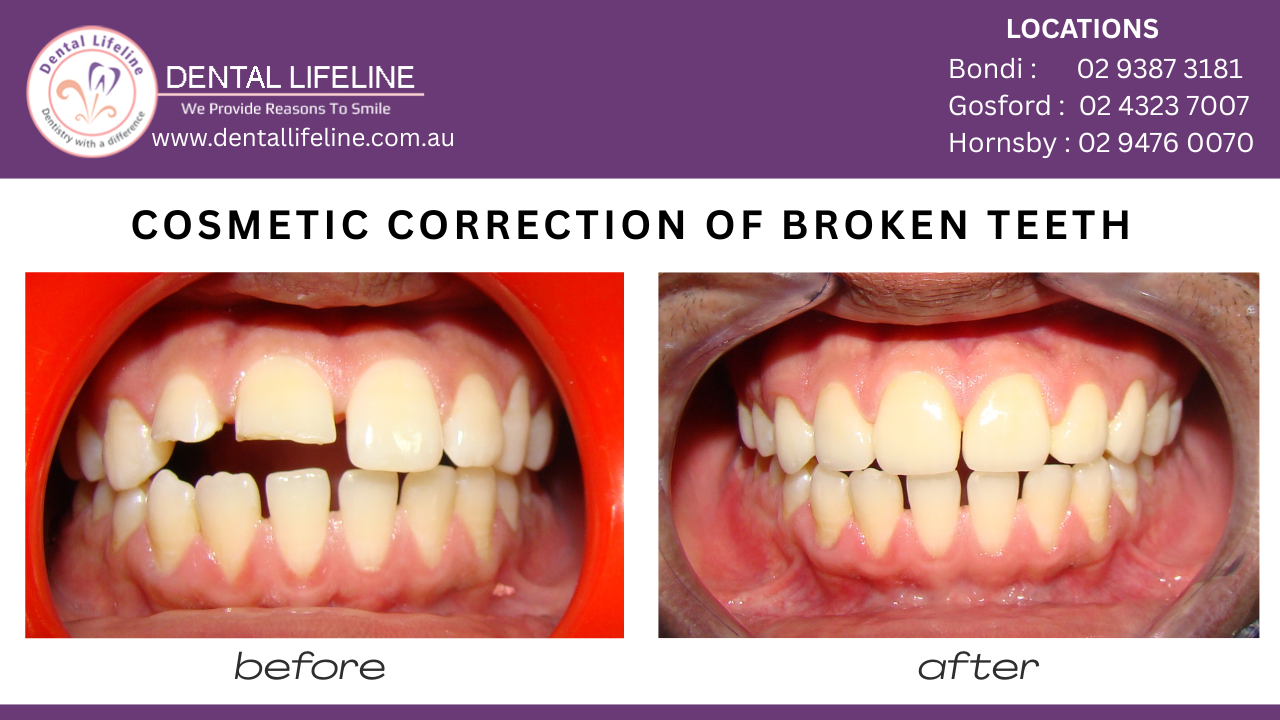
Veneers are used to improve the appearance of teeth and protect them by making them stronger. Porcelain veneers create a bright, white smile with beautifully aligned teeth. They are used in one of the following situations:
- Discolouration
- Worn down teeth
- Chipped or broken teeth
- Misaligned, uneven or irregularly shaped teeth
- Gaps between teeth
An appointment with your dentist is required to check your suitability and to discuss treatment options.
What is the difference between porcelain and composite veneers?
Porcelain veneers are custom-made ceramic shells that are highly durable, stain-resistant, and provide a natural-looking finish. Composite veneers are made from tooth-colored resin, are typically completed in a single visit, and are a more affordable option, though they may not last as long as porcelain veneers.
How long do porcelain and composite veneers last?
With proper care, porcelain veneers can last 10–15 years or longer, while composite veneers generally last 5–7 years. Regular dental checkups, good oral hygiene, and avoiding habits like biting hard objects can help extend their lifespan.
Do veneers require special care?
No, veneers do not require special maintenance beyond good oral hygiene. Brush and floss daily, avoid using your teeth to open packages or bite hard objects, and visit your dentist regularly for cleanings and checkups. Wearing a night guard may also be recommended if you grind your teeth.