MENU

MENU
What Are the Common Causes of Toothache?
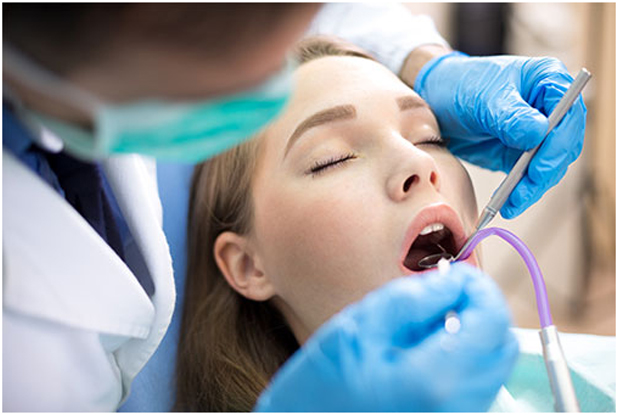
A toothache can range from minor sensitivity to severe, constant pain that makes it hard to eat, sleep, or concentrate. Occasional sensitivity may be easy to explain away, but persistent or severe tooth discomfort should never be ignored. A toothache may occur from problems with the teeth, gums or surrounding tissues.
Knowing the common causes of a toothache may help you spot warning signs and get the right treatment. A professional Dental Bondi visit can help diagnose the underlying problem and determine the most appropriate treatment.
1. Cavities and Tooth Decay
Tooth decay is the most prevalent cause of toothache. It occurs when bacteria in plaque consume carbohydrates and produce acids that eat away tooth enamel, little by little. If left untreated, the decay will continue to advance into the tooth, reaching the dentine and, in time, the pulp (nerves and blood vessels).
Early cavities may show no signs. As the degradation progresses, you may feel:
- Sensitivity to hot/cold foods
- Sweet eating pain
- Unrelenting toothache
- Black spots or holes on the teeth
If you detect these signs, early expert dental treatment may help stop the condition from worsening.
2. Sensitivity of the Teeth
Tooth sensitivity may cause sudden, intense discomfort when you eat or drink anything hot, cold, sweet or acidic. It may result from erosion of the protective enamel or gum recession that exposes the underlying dentine.
Common causes for sensitivity include:
- Aggressive toothbrushing
- Enamel erosion.
- Gum Receding
- Grinding teeth
- Fractured or Broken Teeth
- Some dental work
Occasional discomfort is tolerable, but a dentist should evaluate chronic or increasing sensitivity. Your Dental Bondi dentist may examine your teeth and determine whether the sensitivity is due to enamel wear, gum issues, decay, or another condition.
3. Broken or Cracked Teeth
A broken tooth may produce discomfort, which may come on suddenly or intermittently, especially when you bite or chew. The pain may be intermittent and, depending on the position and depth of the fracture, difficult to pinpoint.
Causes of teeth cracking include:
- Biting into hard foods
- Injuries or accidents
- Tooth Grinding
- Big fillings
- Normal wear and tear
A fracture may allow germs to penetrate deeper into the tooth. If left untreated, it can lead to infection or severe injury. So if you have inexplicable discomfort during chewing, it is crucial to get your teeth checked.
4. Teeth Grinding and Clenching of the Jaw
Some individuals grind their teeth or clench their jaw, especially while they are sleeping or under stress. This may put too much strain on the teeth and the muscles around them.
Grinding may over time contribute to:
- Teeth Sensitivity
- Wear of enamel
- Broken or cracked teeth
- Pain in the jaw
- Headaches in the morning
- Difficulty in chewing
If you’re experiencing frequent morning jaw discomfort, or you discover your teeth are wearing down in odd ways, bring the symptoms to the attention of a dental expert. Your Dental Bondi provider may check for signs of grinding and discuss ways to protect your teeth.
5. Dental Fillings That Are Loose Or Broken
A filling replaces a tooth that is afflicted by decay. However, fillings may become worn, fractured, or loose. That may lead to sensitivity or discomfort, since the underlying tissues are no longer appropriately protected.
You may have pain when eating hot, cold, or sweet foods. If the filling is broken, don’t put too much pressure on the affected tooth, but make an appointment with the dentist.
When Do You Need To See A Dentist?
Not every toothache needs emergency treatment, but persistent discomfort or severe pain should be evaluated rather than only treated with temporary pain relievers.
- Worsening or intense pain
- Swelling of the tooth or jaw area
- Pyrexia
- Pain on eating
- Constant sensitivity
- A chipped or fractured tooth
- Unexplained change in taste or discharge
A quick examination can help identify the cause and prevent the illness from becoming more complex.
How to Lower the Risk of Toothache?
Many dental issues may be avoided with regular preventive treatment. Simple routines may keep your teeth and gums healthy.
- Brush twice a day using fluoride toothpaste.
- Floss daily to clean between your teeth.
- Reduce the intake of sugary meals and beverages.
- Stay hydrated.
- Do not open packages with your teeth or bite on hard items.
- Wear a mouth guard for acceptable contact sports.
- Make frequent visits to your dentist.
- Get expert help if odd symptoms develop.
Conclusion
Toothache can have many causes, from cavities and sensitivity to fractured teeth, gum disease, infections, wisdom teeth, and grinding. Determining the underlying cause is crucial, since identical symptoms can result from many dental problems.
If you have chronic or unexplained tooth pain, contacting a Dental Bondi specialist may help determine what is causing the discomfort and whether treatment is needed. Good oral hygiene, regular dental visits, and early intervention may help protect your teeth and promote long-term oral health.

Ready to get a smile of your dreams?
Book An Appointment

We understand just how closely connected oral health is to your overall health, confidence, and appearance, and we pride ourselves on cultivating a friendly, upbeat dental environment where you can always feel comfortable in our care.
Bondi Dental Lifeline
- Shop 3, Ground Floor,
- 101-107 Oxford street, Bondi Junction, NSW 2022
Gosford Dental Lifeline
- 178 Mann street
- Gosford 2250
Hornsby Dental Lifeline
- Shop 3/135 Pacific Highway
- Hornsby
Dental Lifeline
| All Rights Reserved
BOOK NOW
NEW PATIENT OFFER
×